
Activities
World health Day:
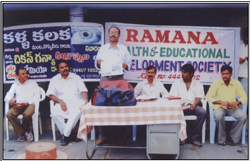
This year the world health day is initiated by our organization Ramana Health & Educational Development Society on 7 April. The focusof the World Health Day this year is on the safety of health facilities and the readiness of health workers to treat those affected by emergencies. The main concept on chicken gunya disease. Ensuring that the health facilities are not impaired and its staff function at their maximum capacity in the aftermath of disasters such as floods, earthquakes, cyclones and even terror attacks and major accidents, can help minimize or prevent casualties.
The health centers and their staff are lifelines for the people affected by disasters. We are campaigning to advocate for safe health facility design and construction and build momentum for widespread emergency preparedness – to save lives and improve global health. The World Health Day theme is for “Safe Hospitals in emergencies: Reduce Risk, Protect Health Facilities, Save Lives.” The goal of raising awareness on this issue is to effect changes that will ensure that health facilities and services are able to function in the aftermath of emergencies and disasters, protect lives of patients, serve the affected population and keep health workers safe. This would entail ensuring the structural resilience of health structures – large or small, urban or rural – with the existing technologies; keeping the equipment and supplies of these health facilities intact should an emergency happen; improving the preparedness and risk reduction capacity of health workers, and involving communities in this effort.
This can be achieved by health sector professionals collaborating with experts from other fields such as urban planners, architects and engineers. Preventive actions are cost-effective compared to the costs incurred in case of a disaster.
Healthy Diet Awareness Camp:
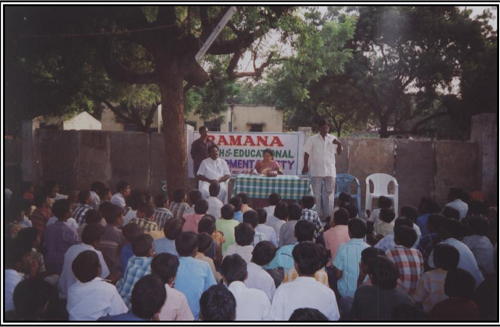
The prevalence of overweight and obesity is increasing worldwide in both developing and developed countries. Environmental and behavioral changes brought about by economic development, modernization, and urbanization have been linked to the rise in global obesity. Obesity is increasing in children and adults, and true health consequences may become fully apparent in the near future.
Most developed countries have high obesity rates, food deprivation is unusual, and physical activity levels have decreased greatly. Lower income households are reported to feature diets composed of foods that tend to be high in calories and fat– contributors to overweight and obesity–since vegetables, fruits and whole grain cereals are more expensive. Conversely, developing countries have lower obesity rates, particularly in areas of lower social economic status (SES) populations. People who live in these areas are limited in their ability to provide enough food, have little access to public transportation and engage in moderate to heavy manual labor.
For this our organization has conducted this awareness camp. Our objective to this program is social awareness
activity would be having our students to keep track of their daily diets (what do they eat within a day?) and what nutrients and how many calories might be taken in while they are eating? How do we stay away from those unhealthy and high fat foods? Finally, on the basis of their daily diets, ask them to create their own lists of ideally healthy and balanced food.
 Themocracy